A Legacy Forged in Fiberglass
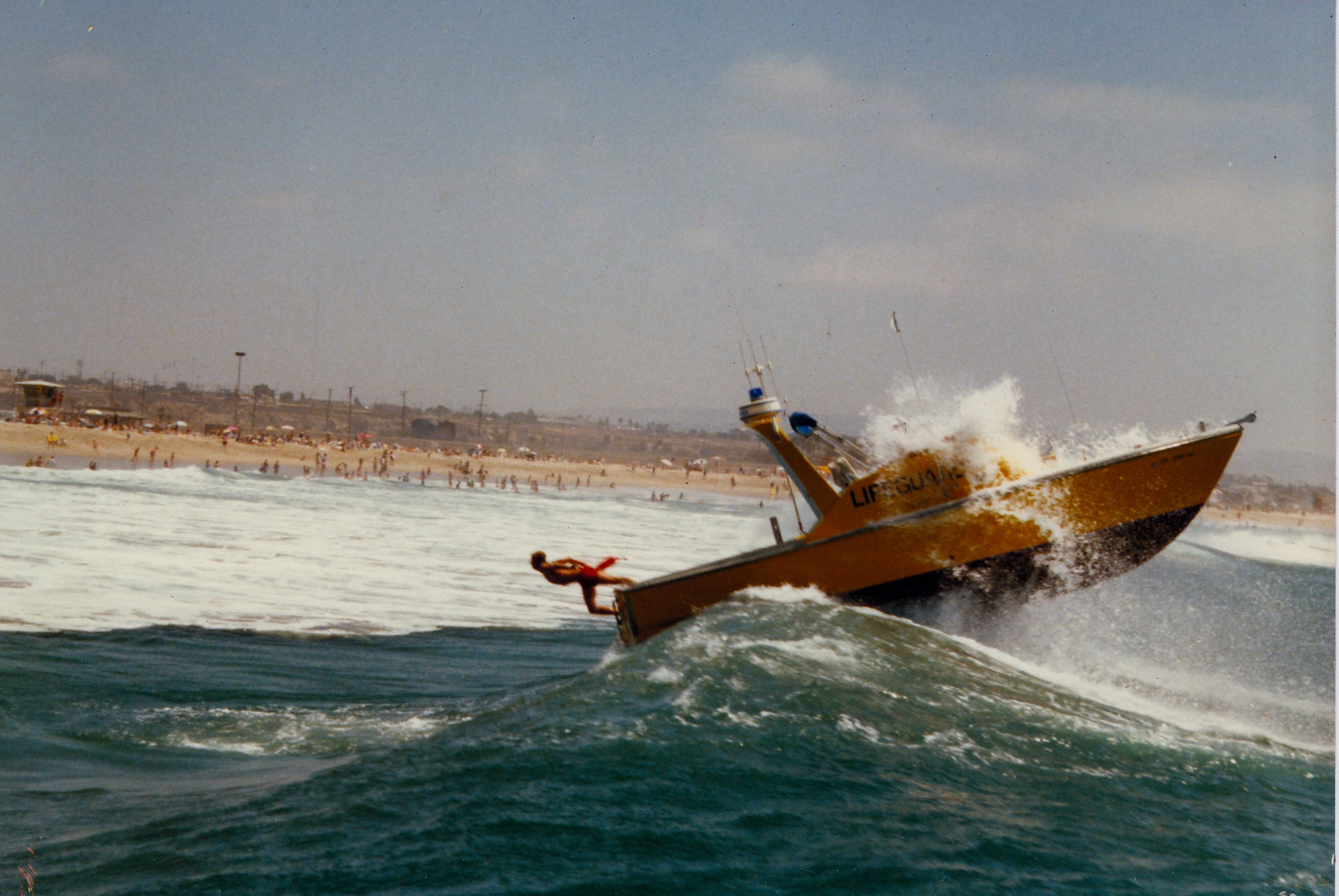
From the first fiberglass rescue craft in 1956 to the iconic yellow surf boats of Sea Watch, Crystaliner changed how the West Coast protects its shores. Willard Marine now carries that torch—building new Crystaliners with modern systems while supporting fleets that have saved lives for decades.
Built by Willard Marine
After the Norek family retired and Crystaliner Corporation closed in 2012, Willard Marine, Inc. acquired the rights to Crystaliner's designs and trademarks in 2014. Willard, itself a Southern California boatbuilder with a rich history, saw Crystaliner as a natural fit.
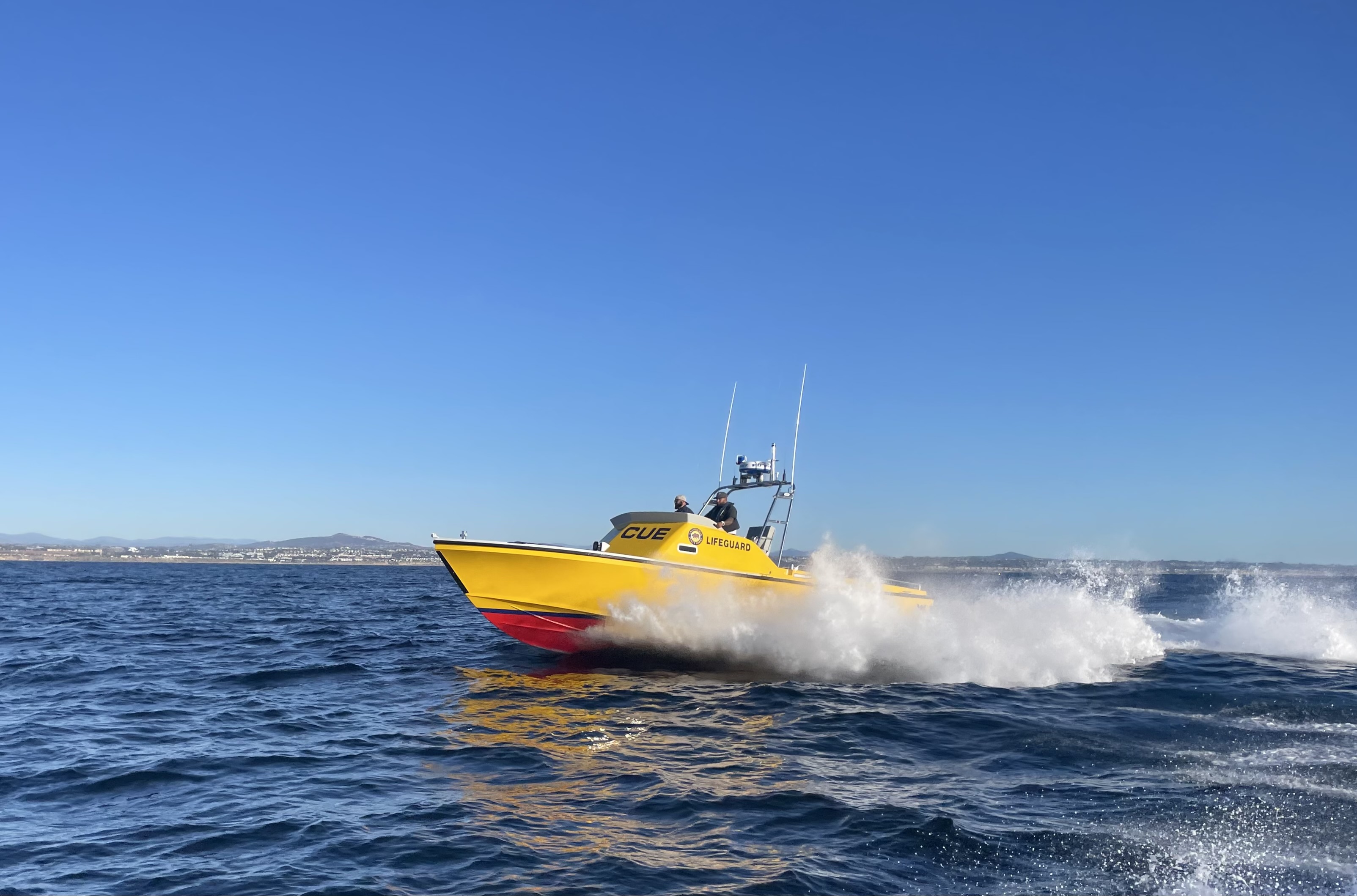
Drawing on insight from former Crystaliner craftsmen, Willard refreshed the tooling and, in 2016, delivered an updated 33' Crystaliner patrol boat to the Oceanside Police Department—powered by twin Yanmar diesels and packed with today's electronics.
Willard Marine continues to market Crystaliner designs, such as the "Surf Pro Patrol Boat" and "Fire Pro Rescue Boat." Willard is delivering up to four new Crystaliner 33 surf-rescue boats for California State Parks, with two already accepted into service (2023-2024), ensuring the continuity of these legendary vessels. Willard provides parts, molds, engineering expertise, and support for both new and existing Crystaliner boats.
Willard Marine retains the original 21', 26', and 29' Crystaliner molds and can build these legacy platforms on request—including the versatile 21' patrol boat ideal for trailerable operations, the classic 26' platform that served as the foundation for John Norek's original race-winning design, and the iconic 29' surf rescue boat that became the standard for California ocean lifeguard operations.
Willard Marine has modernized the classic Crystaliner designs to create the Surf Pro and Fire Pro models, engineered for today's demanding first responder missions.
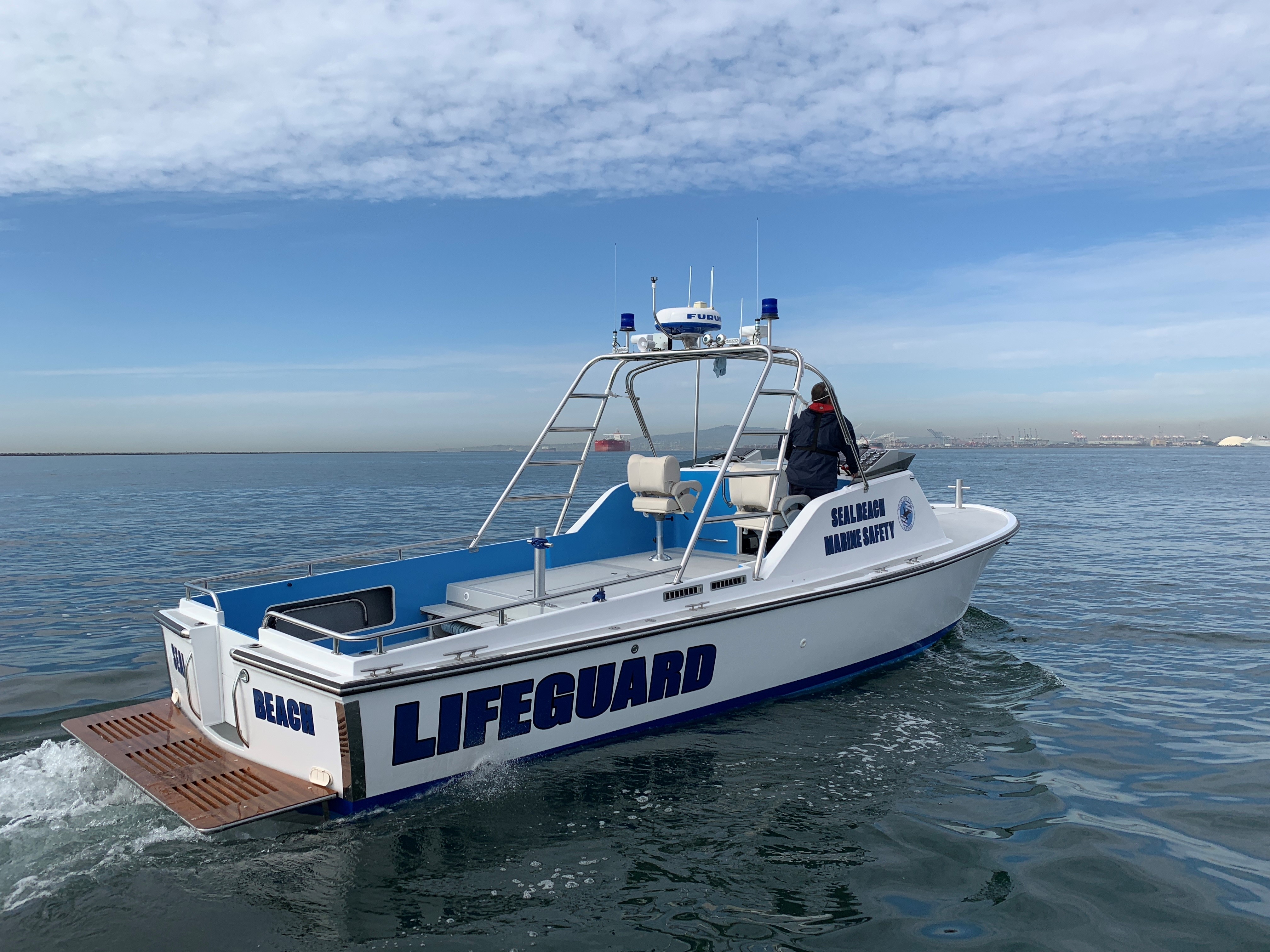
Surf Pro - Modern Surf Rescue
Willard's evolution of the classic surf-rescue hull, engineered with advanced composites, shock-mitigating seats, and optional jet propulsion.
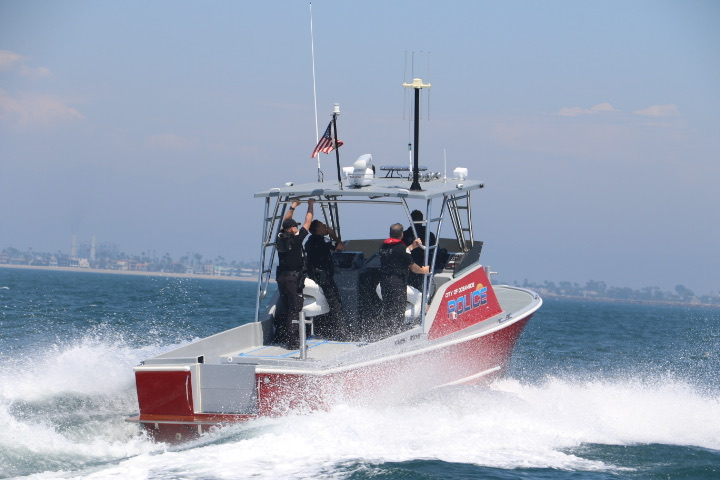
Fire Pro - Modern Fire/Rescue
A Crystaliner-based platform with integrated fire-pump up to 1,500 GPM, foam system, and remote bow monitor—ready for multi-mission first responders.
The Crystaliner Story: Innovation and Endurance
Founding and Early Success
Crystaliner was founded in Southern California in 1956 by boat designer John W. Norek, an early pioneer in fiberglass boat construction. In 1959, a 27-foot Crystaliner cabin cruiser designed by Norek became the first fiberglass boat to win the Miami–Nassau offshore race, setting a new record and proving the strength of Norek's hulls. The company also built the U.S. Navy's first 16-foot fiberglass lifeboat around this time.
After a brief period with Owens Yacht Company and Brunswick Corp., Norek re-established Crystaliner independently in Costa Mesa, CA. It remained a family-run business, producing a limited number of high-quality, rugged fiberglass utility vessels, delivering over 100 boats in nearly 60 years.
Trusted by West Coast Heroes
Guardians of the Coast
Crystaliner became iconic on the West Coast, serving lifeguard agencies, harbor patrols, and first responders for over 50 years. Starting in the 1960s, many coastal California life-saving agencies operate Crystaliner surf rescue boats, including the California State Parks Lifeguards, which continue to rely on these proven vessels for their demanding rescue operations.
Cities like Long Beach, Los Angeles, Huntington Beach, Newport Beach, and Oceanside relied on Crystaliners for decades. Newport Beach's "Sea Watch II" served for 30 years before being replaced by another Crystaliner. Many agencies continue to operate Crystaliners today, with boats remaining in frontline service for 20+ years.
Beyond municipal use, resorts and private operators, including dive charter companies and sportfishing captains, valued Crystaliner designs for their stability, speed, and safety, derived from their commercial-grade rescue pedigree.
The Crystaliner Fleet: A Model for Every Mission
Crystaliner developed a range of models, varying in length and configuration, all sharing heavy-duty fiberglass construction and deep-V hulls designed for offshore swells and surf.
16′ Navy Lifeboat
Era: 1950s | Length: 16 feet
Early U.S. Navy project; first 16-foot fiberglass lifeboat. Open boat for shipboard emergency use.
21′ Patrol Boat
Era: 1980s | Length: 21 feet
Trailerable patrol/rescue boat. Enclosed wheelhouse, Volvo Penta diesel sterndrive. Used by harbor departments like Monterey Harbor Patrol.
26′–27′ Cabin Cruiser / Patrol Boat
Era: 1960s | Length: 26-27 feet
John Norek's original race-winning design. Served as sport-fishing/cruising boat or small pilot/patrol craft. Adapted into early LA County 'Baywatch' boats.
29′–30′ Surf Rescue Boat
Era: 1970s–2000s | Length: ~29.5 feet
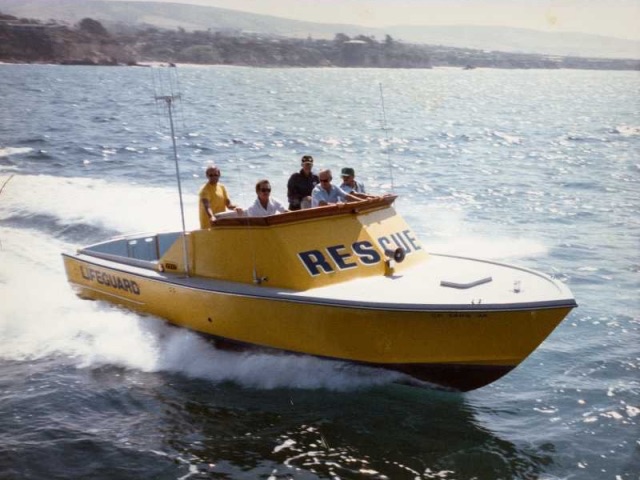
Iconic California ocean lifeguard boat. Flared bow, 11′ beam, self-bailing open deck. Twin engines, 40+ mph capability. Minimal cabin, max deck space.
33′ Patrol/Rescue Boat
Era: 1980s–2010s | Length: 33′4″
Larger evolution of surf rescue boat. All-fiberglass deep-V, typically twin inboard engines (gas/diesel). Used for harbor patrol, fire-rescue, and as sportfishing express model.
40′+ Custom Larger Models
Era: Varies | Length: 40+ feet
Rare one-off vessels, e.g., a 43′ commercial fishing boat (c. 1980). Showcased capability for larger custom projects.
Materials & Construction
All Crystaliners were hand-laid fiberglass, utilizing robust FRP techniques. Hulls were typically solid fiberglass, making them heavy but extremely tough. A 30' lifeguard boat could weigh around 5 tons (10,000 lbs), reflecting its commercial-grade layup. Later models were all-fiberglass to reduce maintenance.
Propulsion
Usually inboard-powered, often with twin engines on larger models. Gasoline V8s (Crusader, Mercruiser) were common initially, with diesel inboards introduced later for longevity and range. The 33' patrol boats could support twin diesels up to ~760 total hp. Waterjet propulsion was sometimes requested. Crystaliner hulls were known for exceptional rough water ride.
Rescue and Safety Equipment
Purpose-built as rescue vessels, Crystaliners featured rescue reels, sirens, flashing beacons, and bow push platforms/rails. Many had tow bits/posts. Larger models could carry fire pumps (e.g., Oceanside's 33' with a 1,250 GPM Darley pump). Cabins/consoles housed marine VHF, loudhailers, interoperability radios, radar, depth sounders, GPS, and MFDs. Storage for emergency medical gear (oxygen, defibrillators, backboards) was standard.
Distinctive West Coast Design
Crystaliner boats feature a distinctive West Coast workboat look: high bow with moderate flare, low freeboard aft for easy water recovery, and a utilitarian finish. Lifeguard boats were often bright orange or red. Open deck layouts with center consoles or small cuddies were common. Patrol versions often had more substantial enclosed pilot houses.
Sportfishing models shared the same robust hulls but added amenities like flybridges, tuna towers, and bait tanks, known as "captain's boats" for their heavy, safe build. Many original Crystaliners are lovingly restored by enthusiasts today, a testament to their enduring appeal.
An Enduring Reputation for Trust
Crystaliner carries a six-decade reputation for ruggedness, seaworthiness, and trust, especially on the U.S. West Coast.
Proven Reliability
Absolute reliability in harsh conditions, excellent maneuverability in surf zones, and high payload capacity.
Symbol of Safety
Thousands of lives saved, imbuing the brand with trust and professionalism. A fixture in Southern California coastal culture.
Willard's Stewardship
Willard Marine honors this legacy, delivering the classic design with modern engineering and support.